

Close Menu
Leintech
    Facebook X (Twitter) Instagram
    Trending
    • 7,000 Steps a Day May Be Enough, Major Study Finds
    • Venezuela’s Machado Wins the Nobel Peace Prize
    • Strength Training Matters More After 60, Experts Say
    • Facial Recognition Bans Spread as Cities Weigh Public Safety Against Privacy
    • Loneliness Harms Health as Much as Smoking, Experts Warn
    • COP31 Draft Climate Deal Divides Nations in Antalya
    • Flu Season Starts Early as Cases Climb Across the US
    • Fed Minutes Offer Clues on December Rate Decision
    Facebook X (Twitter) Instagram Pinterest Vimeo
    LeintechLeintech
    • Home
    • Cybersecurity
    • Cloud Services
    • AI & Data
    • Automation
    • Tech Support
    Leintech
    Home»AI & Data»Strength Training Matters More After 60, Experts Say
    AI & Data

    Strength Training Matters More After 60, Experts Say

    Clara ChristensenBy Clara ChristensenNovember 19, 2026No Comments3 Mins Read
    Share Facebook Twitter Pinterest LinkedIn Tumblr Reddit Telegram Email
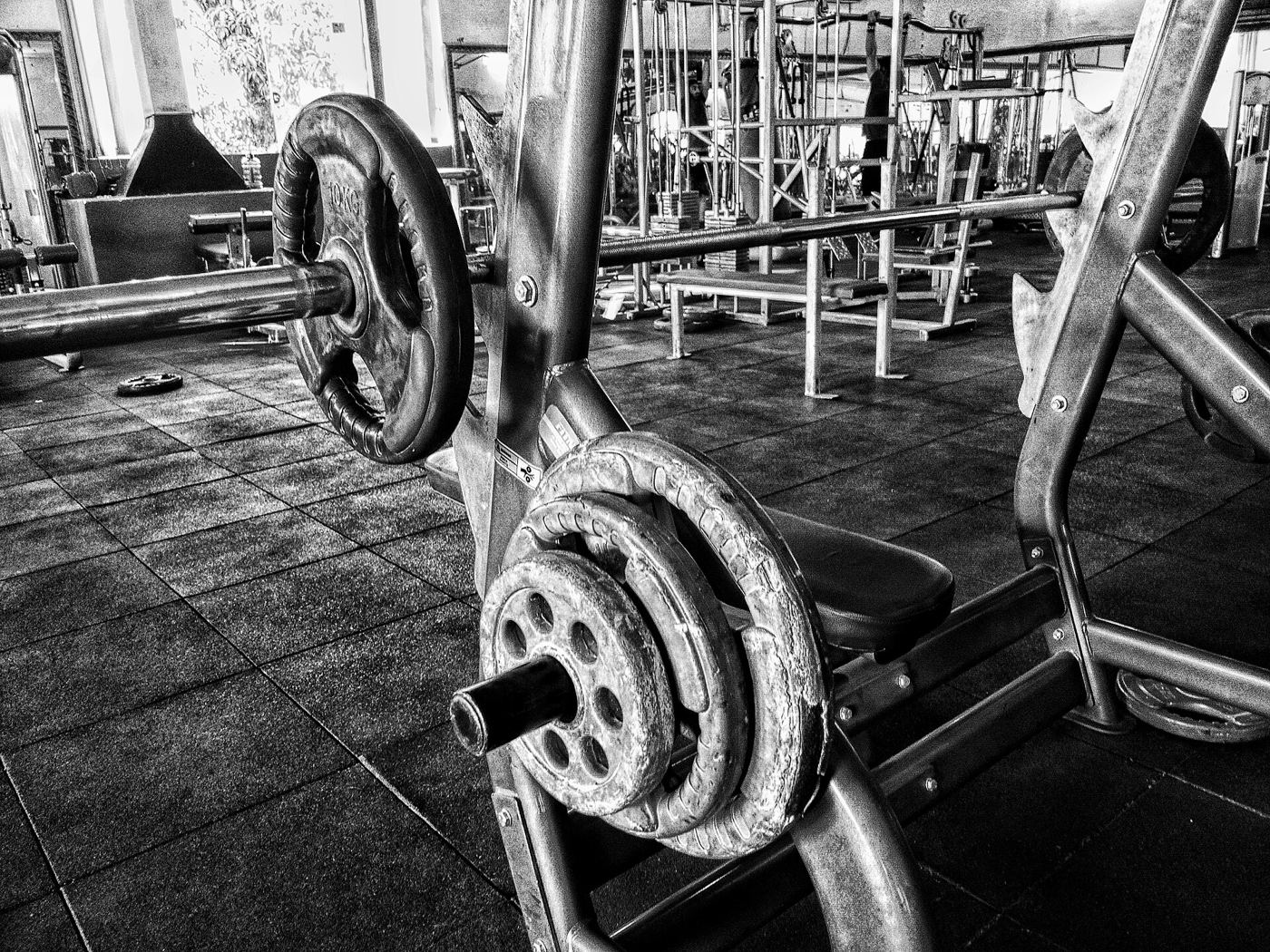
    An older man lifting light dumbbells in a gym.

    Walking is good for health, but after the age of 60 it is no longer enough on its own. That is the message from health experts, who point out that muscle is lost steadily with age unless it is deliberately challenged. Adults who do not strength train lose on average 3 to 8 percent of their muscle mass per decade from the age of 30, according to a classic review of the evidence, and the loss speeds up after 60, reaching as much as 8 percent per decade between the ages of 65 and 80. The result is sarcopenia, the age-related loss of muscle mass, strength and physical function, which is thought to affect 10 to 20 percent of older people and almost doubles the risk of hospital admission. Walking keeps the heart and legs moving, but it does not provide the resistance that tells muscles to stay strong.

    What the Evidence Shows

    The World Health Organization’s physical activity guidelines recommend that adults get 150 to 300 minutes of moderate aerobic activity a week, plus muscle-strengthening exercises for the major muscle groups at least two days a week. That second part is the one most people skip. Recent guidance suggests that two to three short sessions of about 30 to 45 minutes a week produce measurable gains in strength and mobility for people over 50, and the exercises need not involve a gym: bodyweight movements, resistance bands and light dumbbells all count. Protein matters too, with experts recommending 1.0 to 1.2 grams per kilogram of body weight a day for healthy older adults. Anyone with balance problems, pain or a chronic condition should check with a health professional before starting, but for most people the message is simple: lift something heavy, twice a week, and keep doing it. Reporting and analysis from sources such as The Lancet track the same developments, and specialists following strength training after sixty say the direction is now consistent across independent lines of evidence.

    The Wider Context

    Equity runs through every discussion of strength training after sixty. Interventions that require apps, fees or free weekday afternoons reliably reach the people who need them least, so the programmes earning praise are those designed around clinics, workplaces and community venues that already serve everyone. Evaluation reports now publish uptake by income and region as a matter of routine.

    What Happens Next

    The practical takeaway on strength training after sixty is deliberately unglamorous: it works best as part of ordinary, well-delivered care rather than as a standalone fix. Health services are planning on that basis, building the referral routes and follow-up that turn a promising result into population benefit. The gains arrive slowly and then, in the statistics, unmistakably. You can follow related developments in our coverage of health.

    It is also worth remembering how quickly the picture in this area has changed before. Positions that looked settled a few years ago have been revised as new data arrived, and the same humility is appropriate now. The strongest coverage of this subject, and the most useful advice, tends to come from sources that update their views openly when the facts move, rather than defending an earlier position long after it has stopped fitting the evidence available.

    fitness older adults strength training
    Previous ArticleFacial Recognition Bans Spread as Cities Weigh Public Safety Against Privacy
    Next Article Venezuela’s Machado Wins the Nobel Peace Prize
    Clara Christensen

    Related Posts

    AI & Data

    7,000 Steps a Day May Be Enough, Major Study Finds

    November 21, 2026
    AI & Data

    Venezuela’s Machado Wins the Nobel Peace Prize

    November 21, 2026
    AI & Data

    Facial Recognition Bans Spread as Cities Weigh Public Safety Against Privacy

    November 19, 2026
    Add A Comment
    Leave A Reply Cancel Reply

    Search
    Recent Posts

    7,000 Steps a Day May Be Enough, Major Study Finds

    November 21, 2026

    Venezuela’s Machado Wins the Nobel Peace Prize

    November 21, 2026

    Strength Training Matters More After 60, Experts Say

    November 19, 2026

    Facial Recognition Bans Spread as Cities Weigh Public Safety Against Privacy

    November 19, 2026

    Loneliness Harms Health as Much as Smoking, Experts Warn

    November 19, 2026

    COP31 Draft Climate Deal Divides Nations in Antalya

    November 19, 2026
    About Us

    Leintech brings smart secure tech solutions empowering business success innovation digital transformation future-ready technology driving continuous growth

    unmatched efficiency security scalability Advanced systems engineered for performance productivity Reliable infrastructure ensuring seamless integration agility #Leintech

    Facebook X (Twitter) Instagram LinkedIn
    Popular Posts

    7,000 Steps a Day May Be Enough, Major Study Finds

    November 21, 2026

    Venezuela’s Machado Wins the Nobel Peace Prize

    November 21, 2026

    Strength Training Matters More After 60, Experts Say

    November 19, 2026
    Contact Us

    If you have any questions or need further information, feel free to reach out to us at

    Email: lesley.official47@gmail. com
    Phone: +62 823 19299387

    Address: 2411 Cityview Drive
    Bensalem, PA 19020

    • About Us
    • Contact Us
    • Disclaimer
    • Privacy Policy
    • Terms and Conditions
    • Write For Us
    • Sitemap

    Copyright © 2026 | Leintech | All Rights Reserved

    Type above and press Enter to search. Press Esc to cancel.

    WhatsApp us