


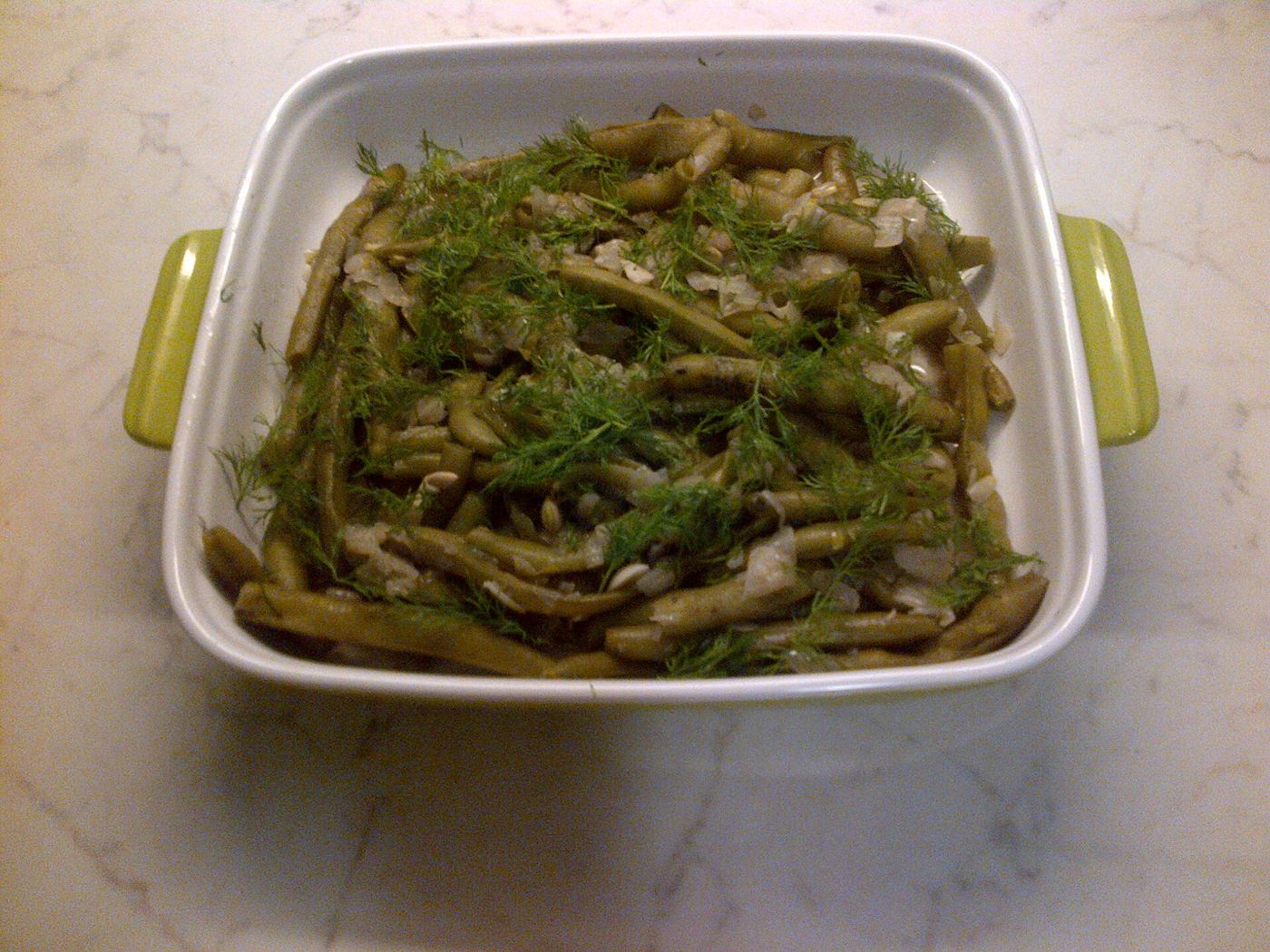
Olive oil and fresh vegetables anchor the Mediterranean way of eating, a pattern of food that researchers have linked to healthier hearts and longer lives for decades. The approach is refreshingly simple: vegetables, beans, whole grains and fish take centre stage, olive oil replaces butter as the main fat, and meals are flavoured with herbs, garlic and lemon rather than heavy sauces. Nutritionists say the strength of the pattern lies not in any single ingredient but in the combination, with fibre, healthy fats and a wide variety of plants working together. Meals are usually shared, eaten slowly and built around foods that are in season, which keeps the diet affordable as well as enjoyable. Studies consistently find that people who eat this way have lower rates of heart disease than those on diets heavy in processed foods. Meals and conversation are part of the pattern, reminding that how we eat matters alongside what we eat.
What the Evidence Shows
Adopting the pattern does not require a move to the Mediterranean or a complete change of cooking, dietitians say. A practical start is to cook with olive oil instead of butter, add a salad or vegetable side to every dinner, eat fish twice a week and keep red meat for occasional meals rather than daily ones. Beans and lentils make cheap, filling additions to soups and stews, and fruit with yoghurt makes a simple dessert. Portion awareness still matters, because olive oil is energy dense, and a drizzle is enough. Anyone with a medical condition should discuss major diet changes with a clinician first. For most people, though, the Mediterranean pattern offers a way of eating that is both pleasurable and protective, built on foods that have sustained communities for generations. Herbs, garlic and citrus add flavour without salt, and a dressing of olive oil and lemon can lift the dullest vegetables. Reporting and analysis from sources such as The Lancet track the same developments, and specialists following Mediterranean eating pattern say the direction is now consistent across independent lines of evidence.
The Wider Context
Equity runs through every discussion of Mediterranean eating pattern. Interventions that require apps, fees or free weekday afternoons reliably reach the people who need them least, so the programmes earning praise are those designed around clinics, workplaces and community venues that already serve everyone. Evaluation reports now publish uptake by income and region as a matter of routine.
What Happens Next
The practical takeaway on Mediterranean eating pattern is deliberately unglamorous: it works best as part of ordinary, well-delivered care rather than as a standalone fix. Health services are planning on that basis, building the referral routes and follow-up that turn a promising result into population benefit. The gains arrive slowly and then, in the statistics, unmistakably. You can follow related developments in our coverage of health.
It is also worth remembering how quickly the picture in this area has changed before. Positions that looked settled a few years ago have been revised as new data arrived, and the same humility is appropriate now. The strongest coverage of this subject, and the most useful advice, tends to come from sources that update their views openly when the facts move, rather than defending an earlier position long after it has stopped fitting the evidence available.
