


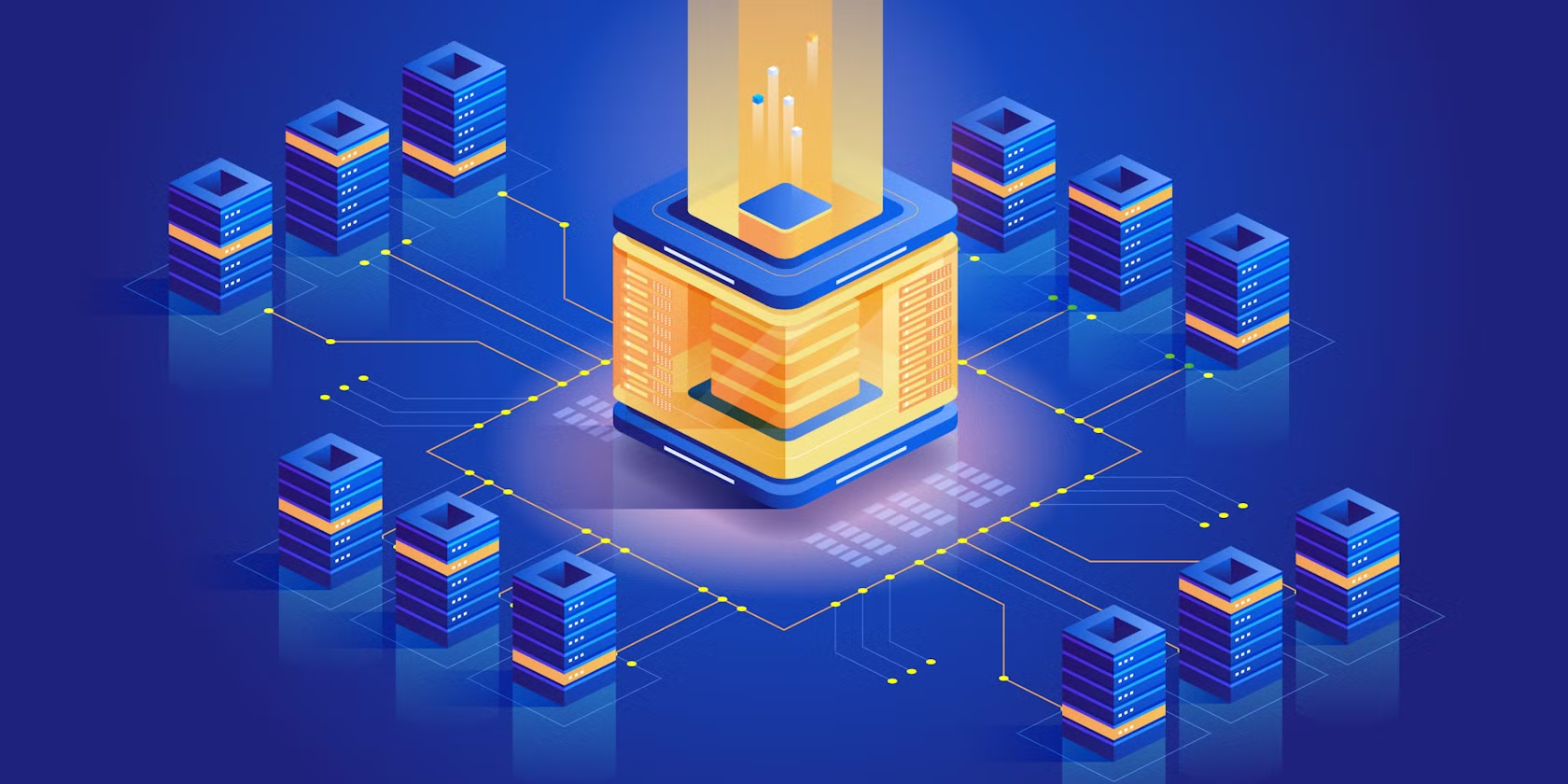
Blockchain-powered technology is redefining the digital landscape by introducing trust, transparency, and decentralization. Unlike traditional systems, blockchain relies on a distributed ledger that records every transaction securely.
In cloud storage, blockchain adds an extra layer of integrity and accountability. It ensures that data is encrypted, traceable, and tamper-proof across the network. As industries move toward digital-first operations, blockchain-powered solutions are becoming essential for secure and scalable infrastructure.
Read More: Cloud-Powered Machine Learning: Key Benefits
Blockchain-Powered Cloud Storage
The evolution of cloud storage has taken a groundbreaking turn with the introduction of blockchain-powered solutions. As businesses and individuals demand more secure, transparent, and reliable ways to store their data, blockchain offers a compelling answer. Its decentralized framework is reshaping how digital assets are managed and protected in the cloud.
Traditional cloud storage providers rely heavily on centralized servers, which are vulnerable to breaches and data manipulation. In contrast, blockchain distributes data across a network of nodes, making unauthorized access or alteration extremely difficult. This shift in architecture is not just a technological upgrade but a transformation in trust and control.
With blockchain, every transaction and data interaction is recorded immutably. This provides an unalterable audit trail, enhancing the integrity of stored information. For organizations that handle sensitive data, this can significantly reduce compliance risks and security liabilities.
The adoption of blockchain in cloud storage also empowers users by giving them full ownership of their data. Unlike centralized models where service providers have access to user data, blockchain ensures privacy through encryption and smart contracts. This changes the dynamics of digital trust in the modern age.
The Decentralized Advantage
One of the defining features of blockchain-powered cloud storage is its decentralized nature. Data is not stored in a single location but distributed across numerous nodes within the blockchain network. This means there’s no central point of failure, significantly reducing the risks of cyberattacks.
When one server is compromised in a centralized system, it can lead to widespread data loss or corruption. Blockchain mitigates this by ensuring each node holds a verified copy of the data. Even if one node fails, the system continues to operate without disruption, enhancing reliability.
This decentralized setup also enables higher data redundancy, ensuring continuous access to information. Users benefit from faster retrieval times and increased data availability, especially during peak traffic. It offers a smoother and more efficient data management experience.
Moreover, decentralization shifts control away from tech giants and gives it back to users. Individuals and enterprises no longer have to depend on third-party providers to access or manage their own data. This makes blockchain a truly user-empowered technology.
Enhanced Security and Data Integrity
Security has always been a major concern in cloud storage, especially with growing cyber threats and data breaches. Blockchain addresses these concerns with cryptographic techniques that secure every transaction. Each piece of data is encrypted and linked to previous entries, making it tamper-proof.
Once a block of data is verified and added to the blockchain, it cannot be altered without consensus from the entire network. This immutable nature protects sensitive information from unauthorized changes or deletions. It instills greater confidence among users and enterprises alike.
Data integrity is further preserved through real-time validation across all nodes. This ensures that stored data remains consistent and free from corruption. The transparency of the blockchain ledger adds another layer of accountability in data handling.
Blockchain also eliminates the risk of insider threats that plague centralized systems. Since no single entity controls the data, the chances of unauthorized access from within are minimized. This fosters a more secure cloud environment for all users.
Smart Contracts and Automation
Smart contracts are self-executing agreements coded into the blockchain, and they play a vital role in cloud storage. These contracts automate processes such as data access permissions, payments, and usage tracking. They remove the need for intermediaries, streamlining operations.
In cloud storage, smart contracts can define who can upload, download, or modify specific data. Once the conditions are met, the actions are executed automatically without human intervention. This reduces administrative overhead and boosts operational efficiency.
Automation through smart contracts also ensures fair and transparent billing. Users are charged precisely for the resources they consume, and providers are compensated instantly. This brings accuracy and trust to the storage economy.
Furthermore, smart contracts enhance compliance by embedding regulatory requirements into the code. This guarantees that data management policies are enforced consistently. It adds a layer of legal accountability to digital storage solutions.
Scalability and Cost Efficiency
Blockchain-powered cloud storage solutions are not just secure; they’re scalable and cost-effective. As the demand for data storage increases globally, scalability becomes a crucial factor. Blockchain networks can easily accommodate this growth by adding more nodes.
Each new node increases the system’s capacity while maintaining performance and security. Unlike traditional storage, where scaling can be expensive and complex, blockchain offers a modular approach. This makes it easier for businesses to adapt to changing data needs.
Cost efficiency is another major advantage. By cutting out intermediaries and reducing the reliance on centralized infrastructure, blockchain lowers operational costs. The savings can then be passed on to the end users, making storage more affordable.
Moreover, many blockchain networks use idle storage from users’ devices, creating a distributed economy. Participants can earn tokens by contributing space, fostering a more sustainable and collaborative ecosystem. It transforms storage from a service into a shared asset.
Use Cases and Industry Applications
Blockchain-powered cloud storage is making inroads across various sectors. In healthcare, it enables secure sharing of patient records among authorized professionals. The transparency and traceability ensure compliance with data protection laws.
In finance, blockchain storage supports the secure management of transactions and sensitive financial documents. The immutability of the ledger safeguards against fraud and tampering. Institutions gain a dependable infrastructure for record-keeping.
For media and entertainment, content creators can store and distribute their work securely. Blockchain ensures that intellectual property rights are preserved, and smart contracts manage royalties automatically. It provides both security and monetization in one system.
Educational institutions are also leveraging blockchain storage for managing academic records and certifications. The decentralized ledger prevents forgery and streamlines the verification process. It creates a permanent and verifiable academic history for students.
Challenges and the Road Ahead
Despite its many benefits, blockchain-powered cloud storage still faces some challenges. One of the primary concerns is the energy consumption of some blockchain models. However, newer consensus algorithms are addressing this with more eco-friendly approaches.
Adoption remains gradual due to technical complexities and limited awareness. Businesses may be hesitant to switch from traditional systems without clear support structures. Educating stakeholders on the long-term benefits is crucial for wider implementation.
Interoperability is another hurdle, as blockchain platforms often operate in silos. To realize its full potential, standardized protocols need to be established. This will allow seamless integration with existing IT systems and promote collaboration across networks.
Looking forward, advancements in blockchain technology are expected to overcome these limitations. As innovation continues, blockchain-powered cloud storage is poised to become a cornerstone of digital infrastructure. The future of secure, transparent, and user-controlled data hosting is unfolding now.
Frequently Asked Questions
What is blockchain-powered cloud storage?
Blockchain-powered cloud storage uses decentralized ledger technology to store data across multiple nodes. This ensures enhanced security, transparency, and user control over data.
How does blockchain improve cloud storage security?
Blockchain encrypts data and distributes it across the network, making it nearly impossible for unauthorized users to alter or access it. This decentralized model eliminates single points of failure.
Can blockchain cloud storage scale for enterprise use?
Yes, blockchain systems are designed to scale by adding more nodes, increasing storage capacity while maintaining performance. This makes it suitable for growing enterprise demands.
What are the cost benefits of blockchain cloud storage?
By removing intermediaries and using shared infrastructure, blockchain reduces operational costs. Users benefit from more transparent and efficient pricing models.
Are smart contracts used in blockchain cloud storage?
Smart contracts automate permissions, payments, and access rules within blockchain storage. They reduce human error and increase system efficiency.
Which industries benefit most from blockchain cloud storage?
Industries like healthcare, finance, education, and entertainment benefit from secure, transparent data management. Blockchain ensures integrity and regulatory compliance.
Is blockchain-powered storage environmentally sustainable?
Newer blockchain models are adopting energy-efficient consensus mechanisms. These developments aim to reduce environmental impact while maintaining robust security.
Conclusion
Blockchain-powered cloud storage represents a fundamental shift in how data is stored, protected, and accessed. With unmatched security, transparency, and control, it offers a future-ready alternative to centralized models. As adoption grows and technology evolves, this decentralized approach is set to become the backbone of secure digital infrastructure, empowering users and industries alike in a new era of trust-driven data management.