


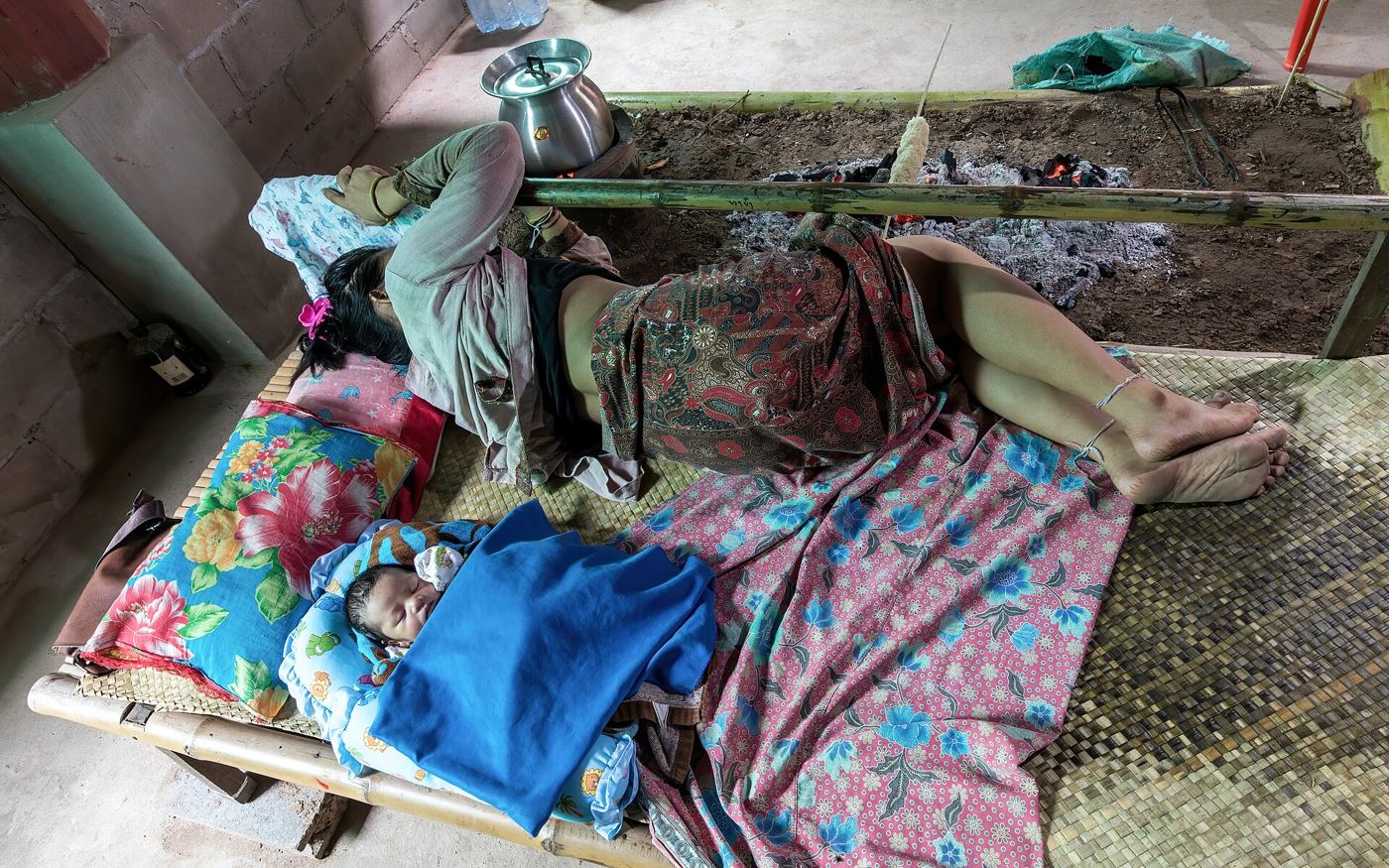
People who sleep well and stay physically active have a lower risk of cancer, according to a large prospective study of 360,271 people in the UK Biobank, published in the journal iScience. After a median follow-up of 12 and a half years, higher levels of total physical activity and better sleep scores were linked to a reduced risk of overall cancer, while more time spent sitting was linked to a higher risk. The people with the lowest activity and the poorest sleep had the highest risk of overall cancer, breast cancer and lung cancer. The benefit of an active lifestyle held regardless of a person’s inherited genetic risk.
What the Evidence Shows
The study is unusual because it looked at sleep, activity and sitting time together, rather than one at a time, and it accounted for genetic predisposition using the participants’ DNA. A healthy sleep score was built from five factors, including sleep duration, insomnia, snoring and daytime sleepiness, while activity was measured across work, leisure and household movement. The researchers say improving sleep quality and building regular activity habits could help reduce cancer risk, even for people whose genes put them at higher risk. The findings add to the evidence that everyday habits, not only medical treatment, shape long-term cancer risk. Reporting and analysis from sources such as The Lancet track the same developments, and specialists following the link between sleep, activity and cancer risk say the direction is now consistent across independent lines of evidence.
The Wider Context
Equity runs through every discussion of the link between sleep, activity and cancer risk. Interventions that require apps, fees or free weekday afternoons reliably reach the people who need them least, so the programmes earning praise are those designed around clinics, workplaces and community venues that already serve everyone. Evaluation reports now publish uptake by income and region as a matter of routine.
What Happens Next
The practical takeaway on the link between sleep, activity and cancer risk is deliberately unglamorous: it works best as part of ordinary, well-delivered care rather than as a standalone fix. Health services are planning on that basis, building the referral routes and follow-up that turn a promising result into population benefit. The gains arrive slowly and then, in the statistics, unmistakably. You can follow related developments in our coverage of health.
It is also worth remembering how quickly the picture in this area has changed before. Positions that looked settled a few years ago have been revised as new data arrived, and the same humility is appropriate now. The strongest coverage of this subject, and the most useful advice, tends to come from sources that update their views openly when the facts move, rather than defending an earlier position long after it has stopped fitting the evidence available.
