


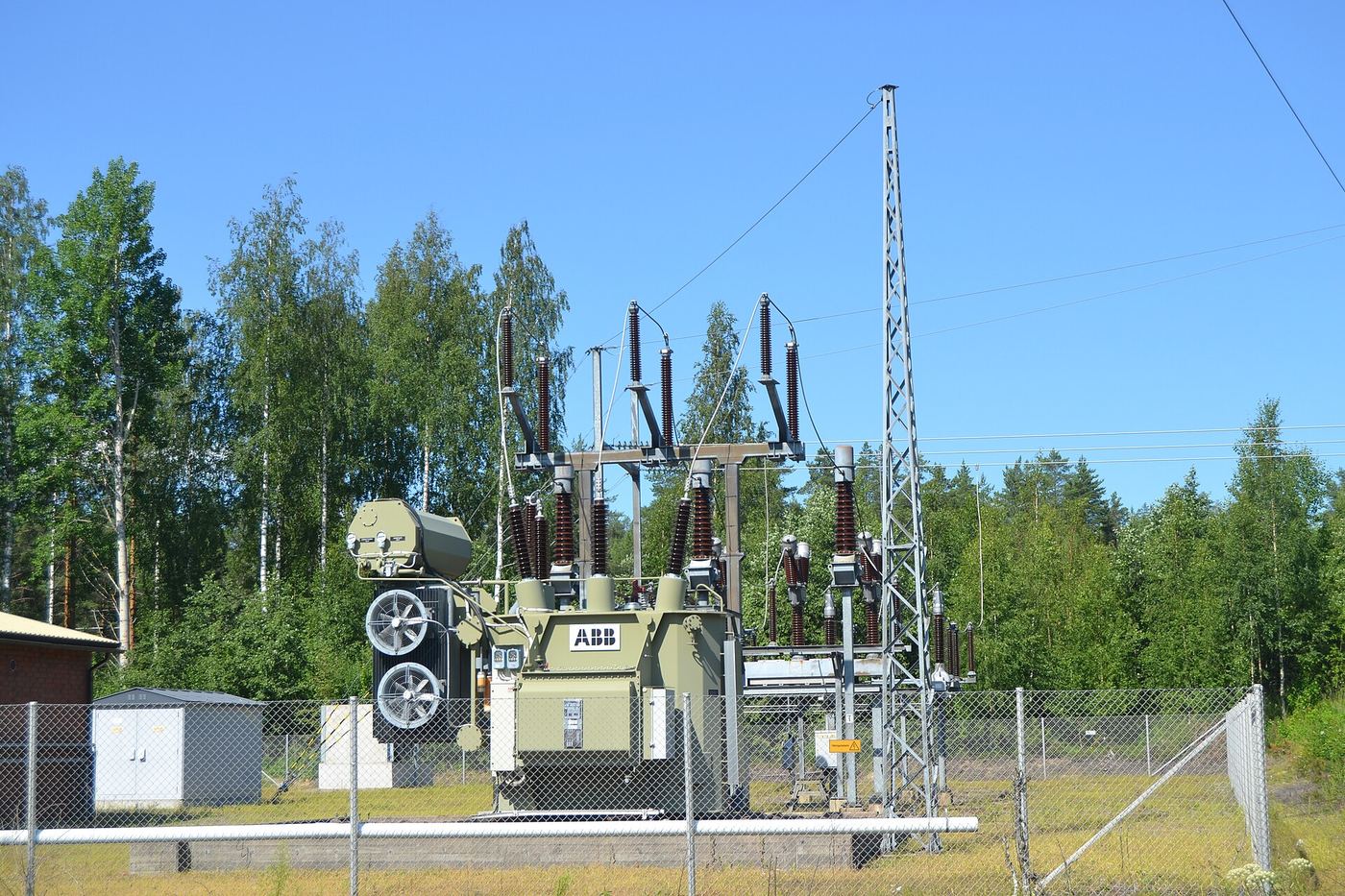
The artificial intelligence boom runs on something stubbornly physical: electricity, delivered in quantities that strain the grids of entire regions. A single large AI data centre can draw as much power as a mid-sized city, and the queues for new grid connections in the industry’s favourite locations now stretch for years. Utilities that spent a decade planning for flat demand are redrawing their maps; governments that courted data centres as clean, quiet employers are discovering they come with substations, water demands and hard political questions attached.
Power is the new real estate
Site selection has flipped. Developers once chased fibre and tax breaks; now they chase megawatts — available grid capacity first, land second. The International Energy Agency estimates data centres consume roughly one to two percent of global electricity today, with AI-heavy growth pushing demand sharply upward this decade. In response, technology firms are signing deals once unthinkable for the industry: long-term contracts for nuclear output, investments in geothermal and gas, and in some cases building generation of their own.
Water follows power. Many facilities cool with evaporation, drinking deeply in regions that can spare little — a tension our reporting on AI infrastructure has covered as permitting fights from Ireland to Arizona turn on aquifers as much as on jobs.
Efficiency pushes back
The counterweight is real: newer chips deliver far more computation per watt, liquid cooling is displacing thirsty evaporative designs, and operators are learning to shift flexible workloads to hours and places where power is plentiful. Data centres, uniquely among big loads, can sometimes act as grid citizens — pausing training runs during peaks in exchange for faster connections.
The grid becomes the strategy
The political temperature is rising with the load. Communities that once competed for data centres now hold contested hearings about them, weighing construction jobs and tax revenue against transmission lines, water use and the fear that household bills subsidise the AI boom through grid upgrades. Some jurisdictions have paused approvals to rewrite the rules; others demand that new facilities bring their own generation or fund grid storage as the price of connection. The industry, for its part, has begun publishing water and energy figures it once guarded — an admission that its licence to expand now depends on persuading the neighbours, not just the shareholders.
The utilities’ own transition complicates the race: the same grids absorbing data-centre growth must also absorb electric vehicles, heat pumps and retiring fossil plants. Grid planners speak of a decade in which everything connects at once. The regions navigating it best treat data-centre applications as planning information rather than mere demand — staggering connections, rewarding flexible operation, and publishing capacity maps so developers build where the grid is strong. Scarcity, handled transparently, is becoming a siting policy in itself.
What is being decided now, substation by substation, is where the AI era physically lives. Countries and states that can connect power quickly will host it; those that cannot will import the services and export the profits. The industry’s scarcest resource is no longer talent or chips. It is a humble, humming transformer with room to spare.
